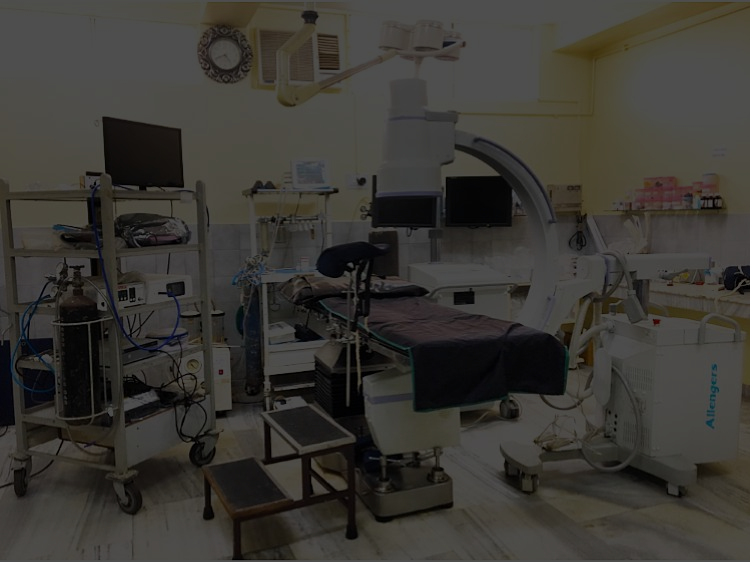
Advanced urological care at par with international standards — kidney stones, prostate disease, urologic cancers, laparoscopic urology and renal transplant, under Dr. Shagun Sikka.
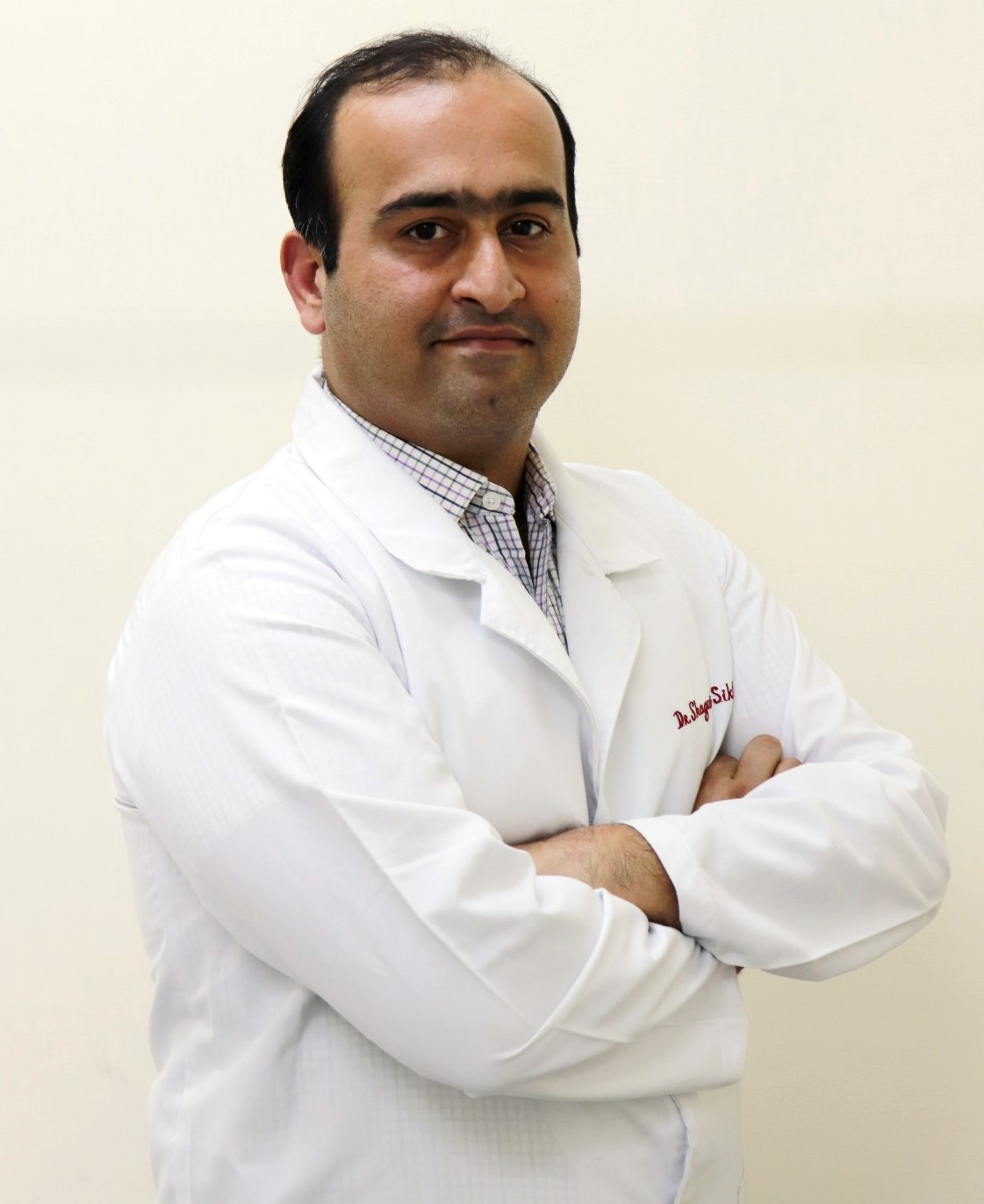
Dr. Shagun Sikka graduated from LTMMC Mumbai in 2007, then completed his MS in General Surgery at Dayanand Medical College & Hospital, Ludhiana, followed by a year of senior residency at DMCH. He went on to complete his MCh in Urology and Renal Transplant at DMCH from 2013 to 2016.
His field of interest is kidney stones, prostate disease, kidney failure and cancers of the genitourinary system. He has performed more than 5,000 complex surgeries in the past three years and operates at several prestigious hospitals in Jalandhar and beyond. He is an assistant professor at PIMS Jalandhar.
BOOK AN APPOINTMENTMore than five thousand complex urological procedures performed in the past three years, from endoscopic stone surgery to radical cancer operations.
One of the highest rated urologists in the city on Google and Facebook, with patients travelling from across Punjab for treatment.
Sikka Hospital is equipped with state-of-the-art facilities for both routine examinations and complex surgeries, backed by ICU and in-house laboratory.
The department of urology at Sikka Hospital offers advanced urological care at par with international standards in Jalandhar city. The centre provides a full spectrum of diagnostic services and treatment for stone disease, urologic cancers, laparoscopic urology, reconstructive urology surgery, female urology and infertility.
Dr. Shagun Sikka specialises in surgical urological procedures. Key areas of his expertise include endoscopic stone surgery — PCNL, URS, RIRS — and extracorporeal shock wave lithotripsy to break down kidney stones.
The hospital is one of the premier centres for the diagnosis, treatment and management of urological ailments — urinary tract infections, gall bladder stones, kidney stones, prostate ailments, prostate cancer, bladder cancer and infertility, to list a few.
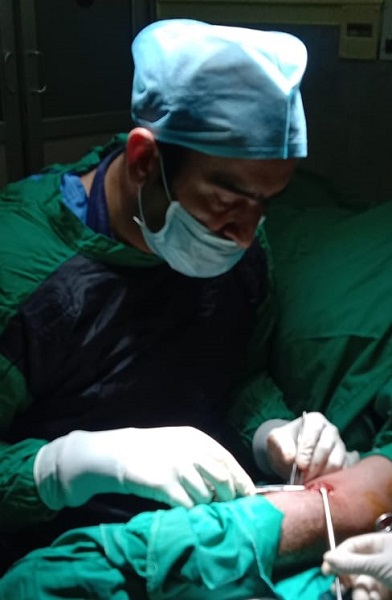
Dr. Shagun Sikka has treated thousands of patients with urologic conditions — from prostate enlargement and prostatitis to kidney stones and prostate cancer.
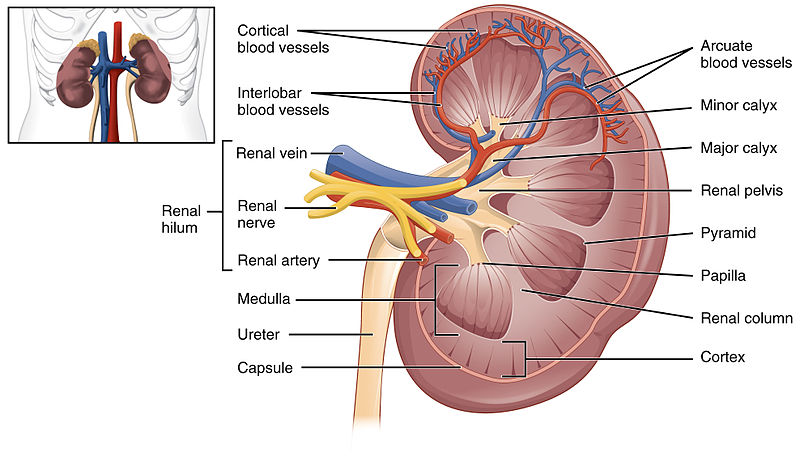
Urology is the part of health care that deals with diseases of the male and female urinary tract — kidneys, bladder, ureters and urethra — as well as the male reproductive organs. Since health problems in these body parts can happen to anyone, urologic healthcare is among the most important specialities.
Urology is a surgical speciality, but a urologist also works with the knowledge of internal medicine, paediatrics and other parts of health care, because the range of clinical problems is wide. The Indian Urological Association names these subspecialties:
Many men aren't sure what their prostate is or what it does. It is a small gland that is part of the male reproductive system, about the shape and size of a walnut. It rests below your bladder and in front of your rectum, and surrounds part of the urethra — the tube that carries urine from your bladder. The prostate helps make some of the fluid in semen, which carries sperm from the testicles.
It happens because of an increase in the number of cells in your prostate gland, thought to be caused by hormonal changes as you get older. Benign means it is not cancer. BPH is unusual in men under 45, but it becomes more common with age — by 60, four in 10 men are affected, and by 90, nine out of 10 men have an enlarged prostate.
Yes. High levels of sodium, calcium, protein, vitamins C and D, and oxalate-rich foods (dark vegetables, chocolate, nuts, cranberries, coffee and tea) can increase your chances of developing stones. In general it is a good idea to eat less salt and to consult a doctor or dietitian about how much calcium you need daily. If you have had an oxalate kidney stone, consider limiting oxalate-rich foods such as spinach, colas, peanuts, beets, rhubarb, berries, beans, tofu, oranges and sweet potatoes.
Drink plenty of water with freshly squeezed lemon juice. Lemon juice contains citric acid, which not only inhibits stone formation but also breaks up small stones as they begin to form — generally, the more citric acid in your urine, the better protected you are. The most common cause of stones is insufficient daily water intake: drink enough to keep your urine clear, about eight to 10 glasses a day.
TURP is a urological operation used to treat benign prostatic hyperplasia. Medication helps most men with an enlarged prostate, but for some it is not always enough to ease symptoms such as weak urine flow and dribbling. If you are one of those men, you have surgical options to treat your BPH.
Kidney stones form in the urinary tract due to crystallization of chemical compounds in the urine. PCNL is a technique used to remove certain stones in the kidney or upper ureter. It has been performed on many patients over the last several years and is the accepted standard of care for stones that are large, very firm or resistant to other forms of treatment — replacing open operations for the vast majority of patients.
Call or message on WhatsApp with the patient's name and the problem, and our desk will confirm an OPD slot for you.
